

Health Equity in Fractals: What Emerged from Our Second Annual Summit
In a healthcare landscape marked by political uncertainty, funding headwinds, and growing disparities, the second annual Health Equity Innovators Summit brought together healthcare leaders, founders, clinicians, investors, and policymakers in Tiburon, California for a question that has only become more urgent: how do we build systems that center the communities we strive to serve?
Hosted by Coyote Ventures on April 16, 2026, the summit expanded on the foundation laid last year in San Francisco, with an unmistakable through-line: that health equity isn't built top-down. It's co-designed with communities.
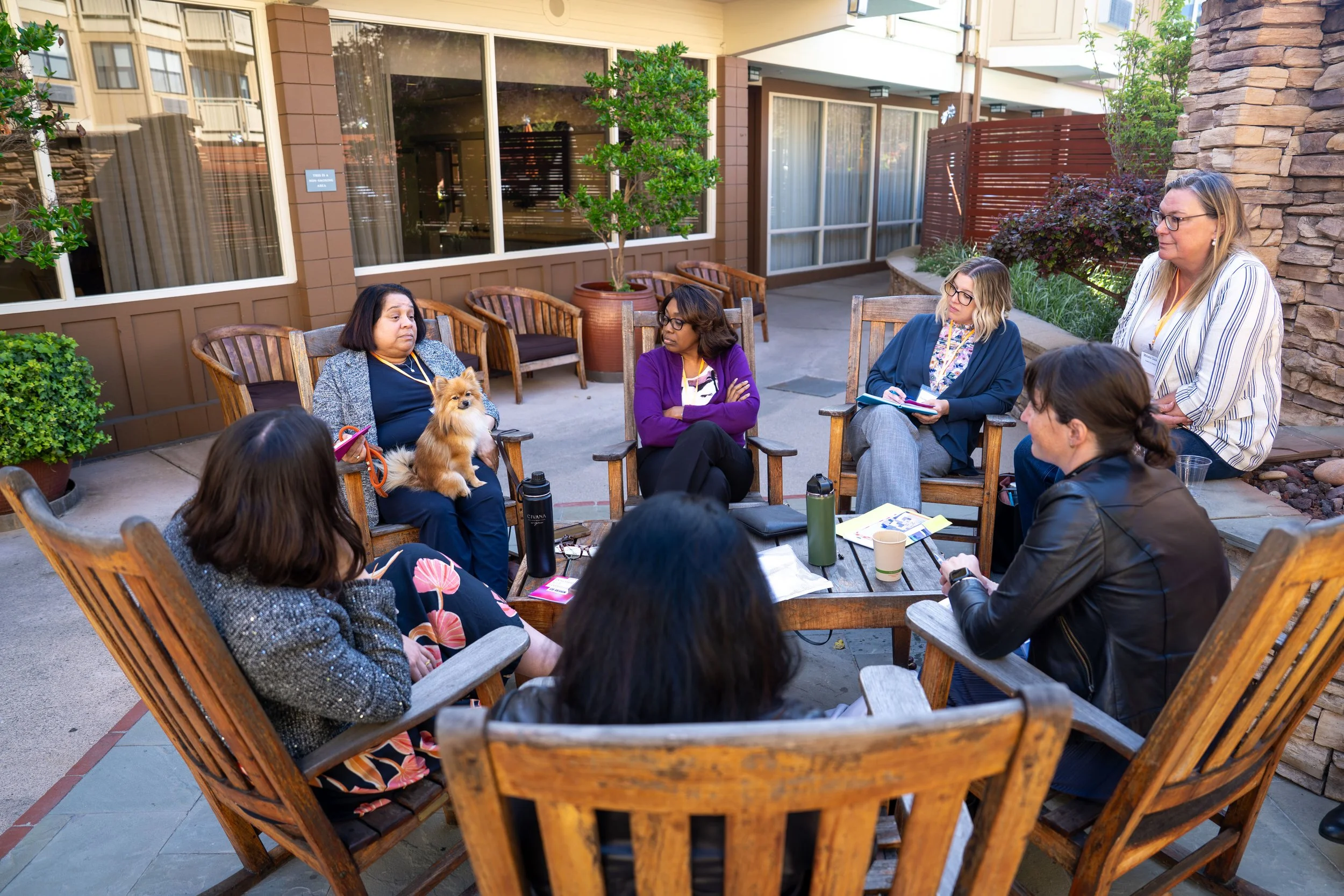
Setting the Foundation: Health Equity Fractals
Jessica Karr, Coyote Ventures' Managing Partner, opened the day with a concept she called "Health Equity Fractals." A fractal is a complex, never-ending geometric pattern that is self-similar across different scales. The core idea was that health equity patterns repeat at every scale- individual, community, system, policy- and that interventions at any level ripple outward. Work in health equity can feel isolating and small-scale sometimes, and Jess's reminder that positive effects ripple out helped to set the stage for the day.
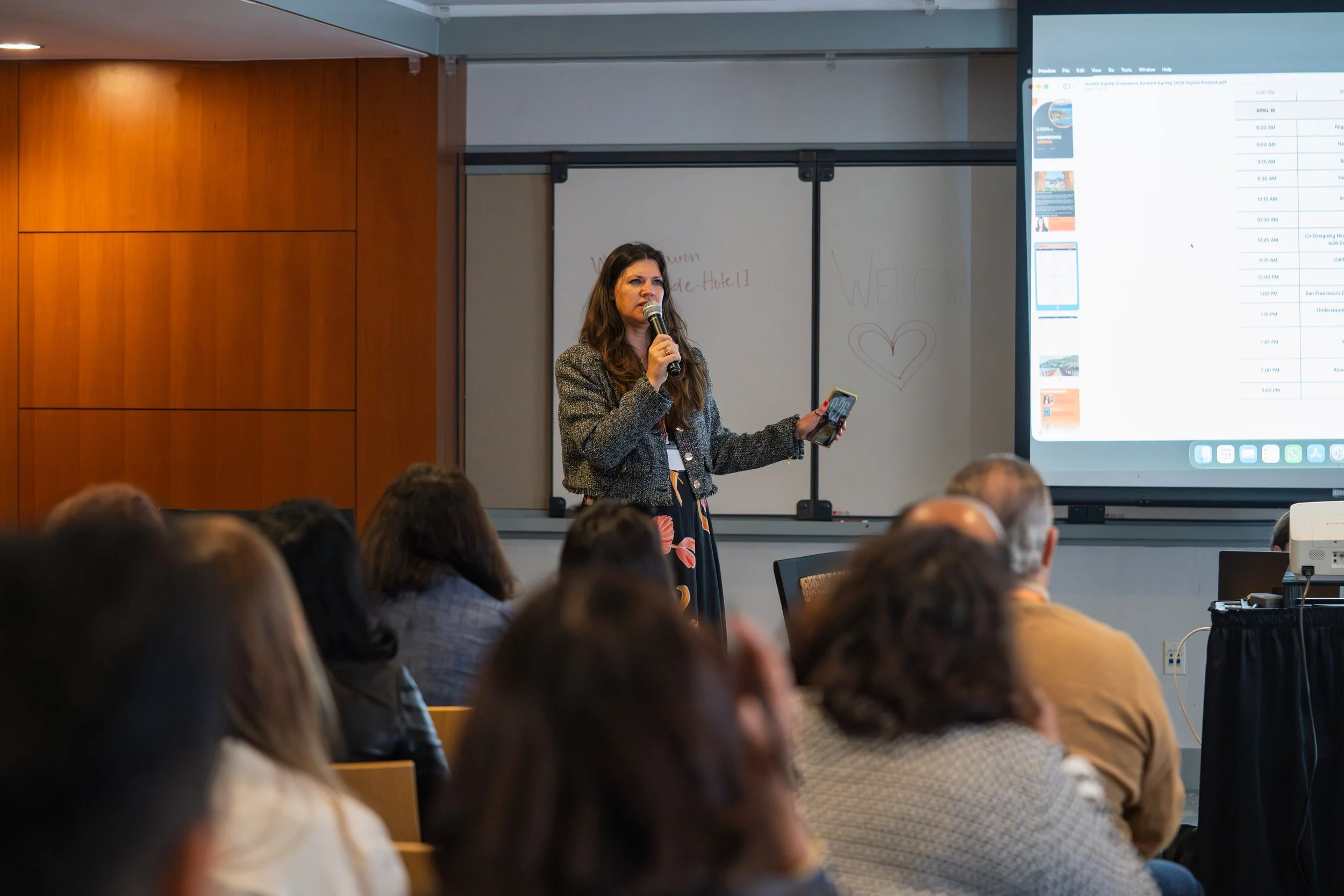
This metaphor proved prescient. Throughout the summit, the topics and speakers moved fluidly between the personal and the systemic- from a founder demonstrating real-time medical AI translation with audience members who tested both Arabic and Japanese, to the California Surgeon General calling on attendees to become partners in statewide health initiatives.
The day began with Tomoko Ishikura of Kicker Ventures leading attendees through a grounding meditation, a practice that we can now say has become a hallmark of the summit, centering participants in shared intention before the day's conversations.
Health Equity Keynote: Dr. Uché Blackstock
Dr. Uché Blackstock, physician, NYT bestselling author of Legacy: A Black Physician Reckons with Racism in Medicine, and Founder of Advancing Health Equity, delivered the summit's keynote, and it was nothing short of transformative to those of us in attendance.
With unflinching honesty, Dr. Blackstock laid bare where the healthcare system is failing marginalized communities and why health equity must be treated as a non-negotiable priority, not a nice-to-have. She spoke about the urgent need for physicians who represent the communities they serve, and the compounding harm when that representation is absent.
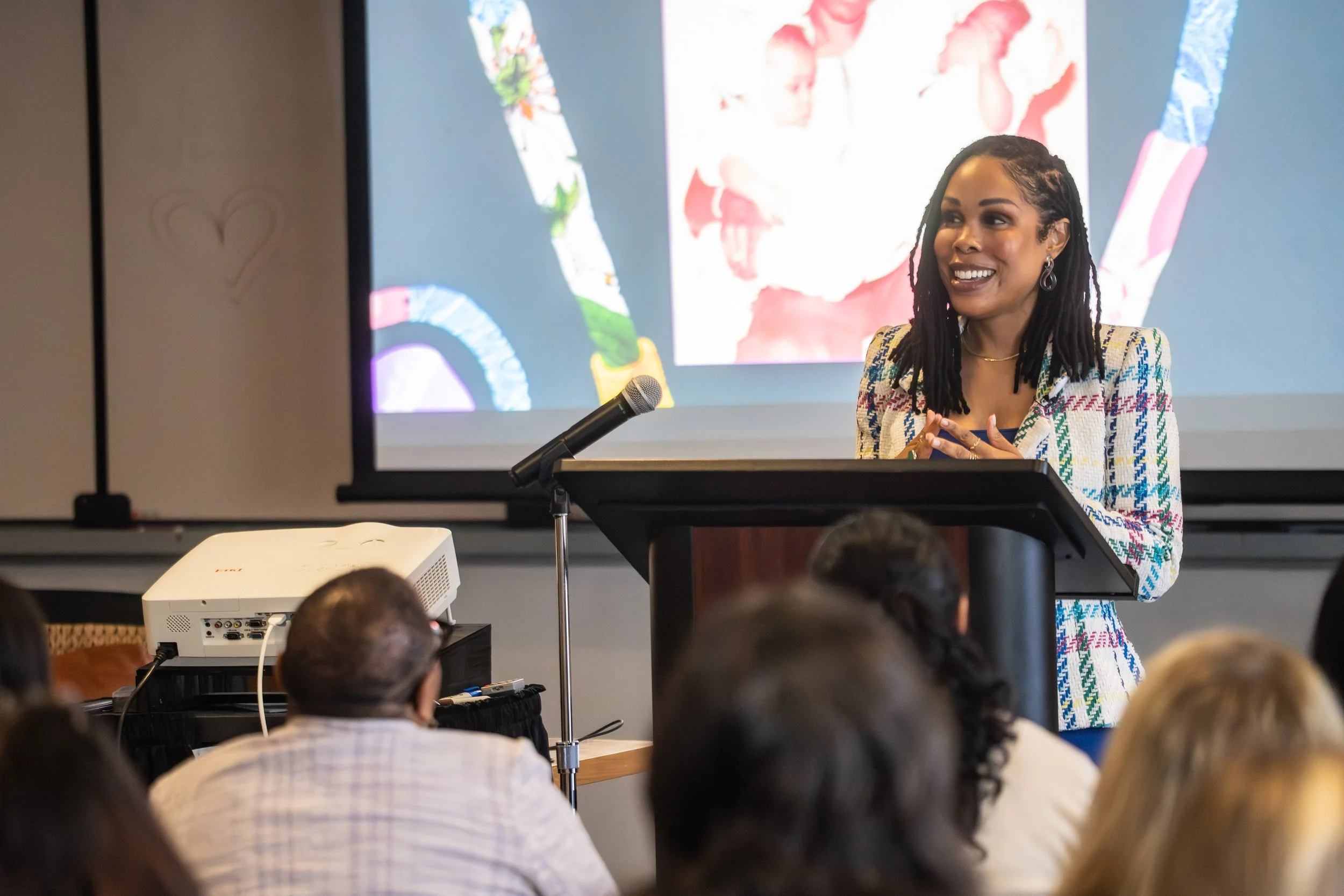
But what made the keynote extraordinary was how Dr. Blackstock held the room. She brought attendees to tears- not through rhetoric, but through the directness and intimacy of her storytelling. She invited audience members onto the stage to share their own experiences, transforming the keynote into a collective reckoning. By the end, the room felt united in a way that set the vibrational foundation for everything that followed.
Dr. Blackstock framed health equity as an investment, not an expense, challenging the room to stop treating equitable care as a cost center and start seeing it as infrastructure. She spoke at length about her mother, who broke barriers as one of the first Black women to graduate from Harvard Medical School and then returned to her community to practice. That legacy of service shaped Dr. Blackstock's own path and underscored a central point: representation in medicine isn't symbolic. It's a clinical intervention. When physicians come from and return to the communities they serve, outcomes change.
Innovation Spotlights: Solutions Reshaping Health Equity
The summit featured two rounds of Innovation Spotlights, showcasing founders building practical, scalable solutions at the intersection of technology, care delivery, and equity. A consistent theme emerged across the demos: AI as an efficiency lever, deployed not to replace clinicians but to reduce burnout and extend the reach of human care.
Alvee (a Coyote Ventures portfolio company), presented by Nicole Cook, founder and CEO, showcased their AI-driven platform that surfaces social determinants of health from provider notes and aggregates SDOH data from disparate sources. Alvee's "What Matters" voice agents interview patients, while an autonomous care navigator completes complex SNAP and benefits forms- reducing documentation time by 70%. The EHR integration helps organizations build business cases around value while saving clinician time through workflow automation. Nicole brought the technology to life with a live demo of their conversational AI helpdesk, and in a moment of serendipity that captured the energy of the summit, learned during the event itself that Alvee had received the go-ahead to launch nationwide with a large health system.
Malama Health (a Coyote Ventures portfolio company), presented by Mika Eddy, co-founder and CEO, continues to demonstrate the power of doula-led care navigation for historically underserved populations. Malama's model serves high-risk pregnancies, primarily women on Medicaid, with 24/7 virtual support, and their outcomes data remains compelling: 13% fewer C-sections, a 45% decrease in preterm births, and a 4:1 ROI through reduced emergency interventions. The team also reported a 40% difference in postpartum glucose tolerance outcomes for women using the app, reinforcing the pregnancy window as a prime opportunity for life-long health promotion. At the summit, Mika shared that Malama recently closed a $9.2M Seed round to expand the model into new communities where high-risk pregnancies are underserved.
Nolia Health (a Coyote Ventures portfolio company), presented by Lama Sibai, co-founder and CMO, drew from her background in neurology to highlight how the health of family caregivers is frequently sacrificed while they navigate fragmented systems to provide complex, long-term care for loved ones. Nolia frames caregiver burnout as a structural gap—one that determines whether care can be sustained in the home at all. This is especially urgent for what the summit called the "forgotten middle": older adults who don't qualify for Medicaid but can't afford private care. An estimated three-quarters of this group will be unable to pay for private assistance without selling their homes. Nolia seeks to move beyond mere diagnosis and treatment to offer practical, compassionate guidance for those performing the essential labor of home-based care.
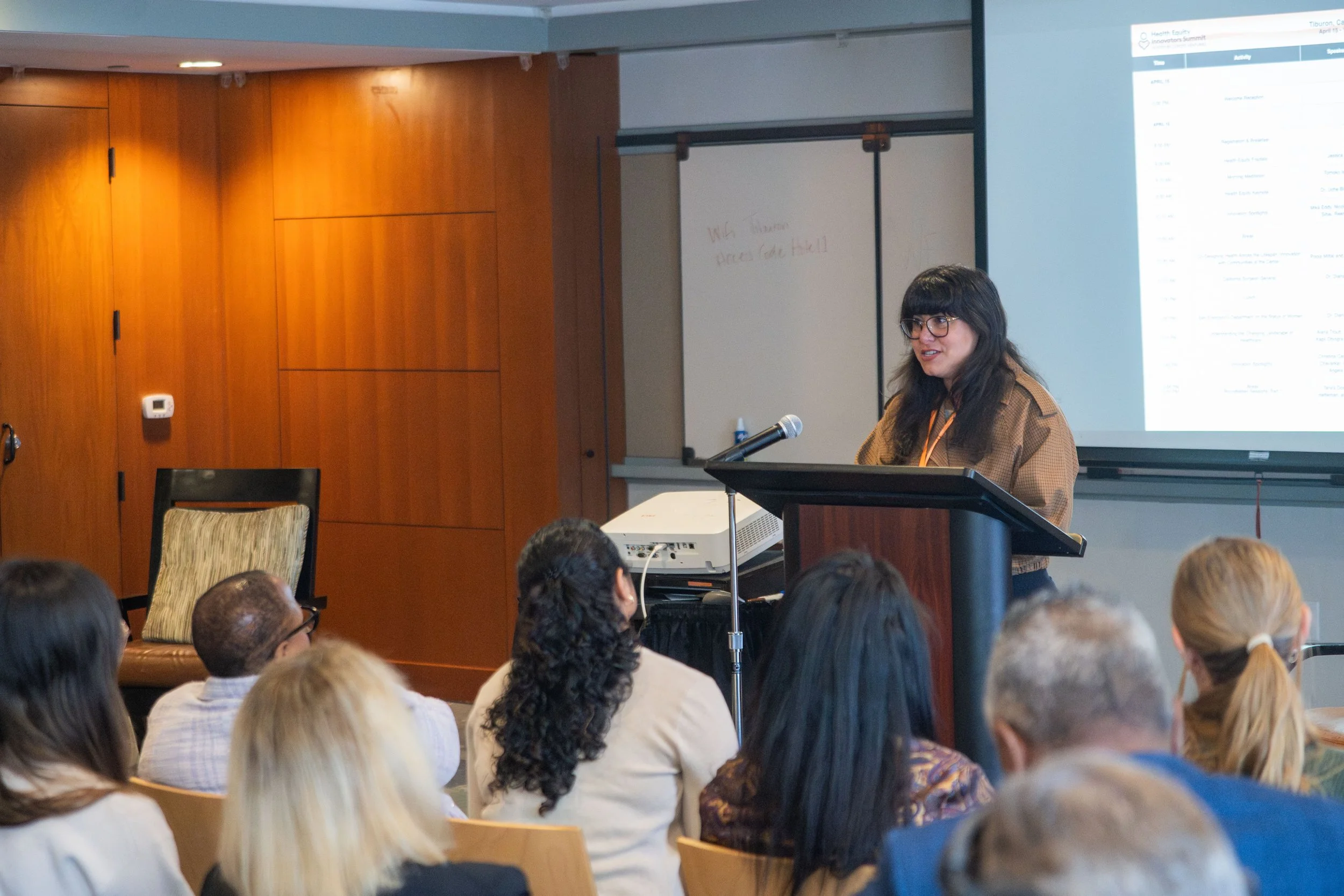
EazeBio, presented by Reem Mahrat, founder and CEO, combines multiplex biomarker panels with an AI predictive layer to help individuals track their internal biological trends and catch preventable conditions before they become chronic issues. Reem highlighted a transition from being a passive patient to an active participant—moving the focus of wellness away from infrequent doctor visits and into the hands of the consumer, bringing lab-grade insights directly into the home via smartphone technology.
Parento (a Coyote Ventures portfolio company), presented by Christina Carpentieri, VP of Partnerships, provides the first fully insured, 100% employer-paid parental leave program, which allows parents welcoming a child through birth, adoption, or fostering to take six to sixteen weeks off at full salary replacement. Beyond financial support, the company offers a "parent experience program" and a leave concierge that connects families with vital resources like doulas to assist them during their transition. Parento aims to partner with payers to demonstrate how comprehensive parental leave can lower year-over-year medical renewal costs by reducing poor outcomes such as C-sections, NICU stays, and postpartum depression.
Kiara Health (a Coyote Ventures portfolio company), presented by Milan Chavarkar, co-founder and CEO, provides a unified, personalized platform designed to guide couples through their fertility journey and fill the care gap between the OB-GYN office and the IVF clinic. To achieve this, the company offers a three-month guided program that uses an AI intelligence layer to integrate patient data and provide customized, data-driven conception protocols for both patients and their providers. Ultimately, Kiara Health aims to use this integrative approach to bring more clarity, options, and access to couples, helping them improve their health and optimize outcomes before costly IVF interventions become necessary.
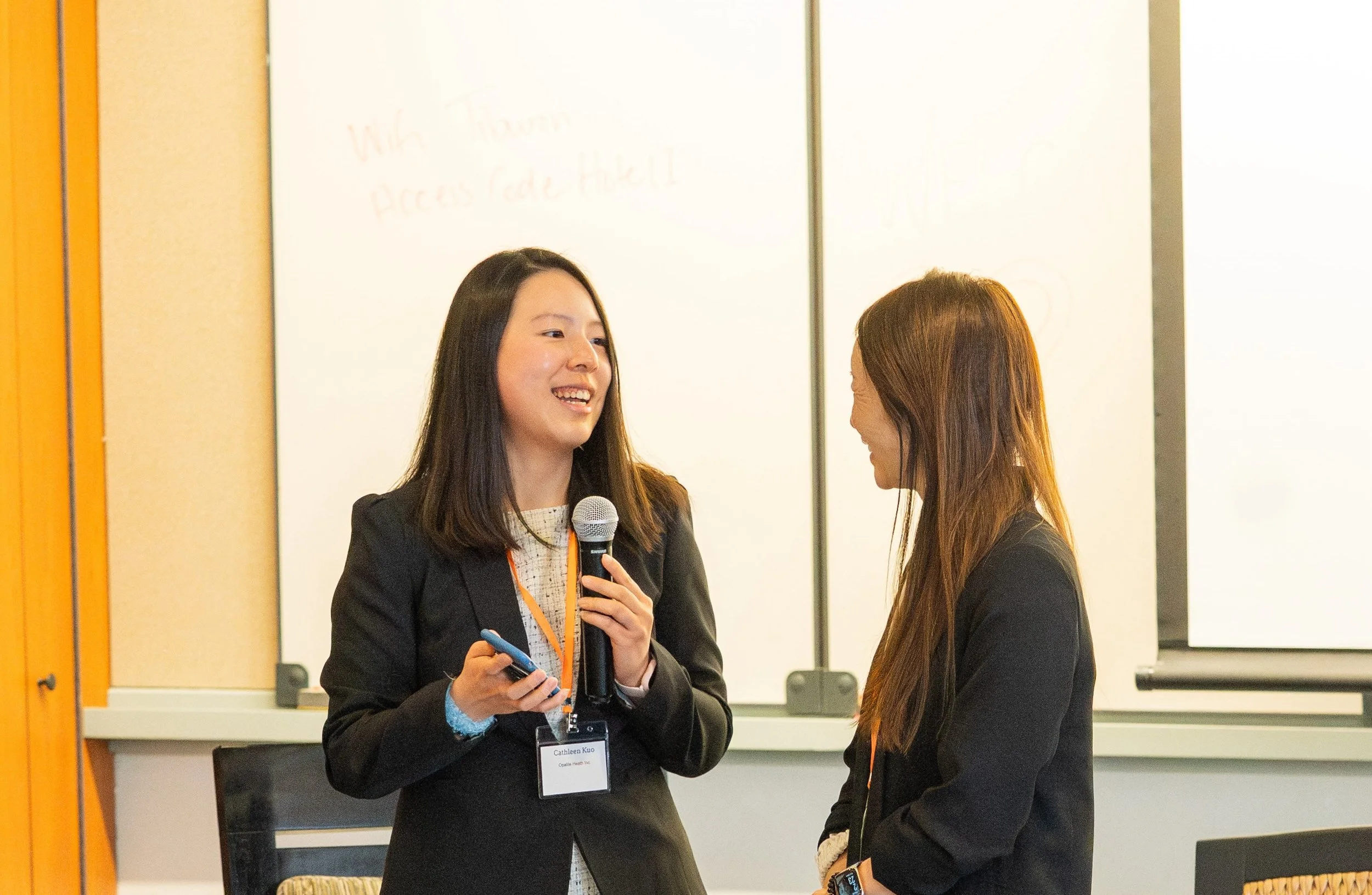
Opalite Health (a Coyote Ventures portfolio company), presented by Cathleen Kuo, co-founder and CEO, delivered one of the summit's most memorable moments with a live demonstration of their AI medical interpretation technology, which supports more than 150 languages, reduces interpretation costs by 50–70%, and decreases major translation errors by 90% compared to human-only models. Cathleen brought two audience members on stage: one asked a medical question in Arabic and received an accurate, confirmed response in Arabic; the second, a Japanese speaker, participated in a simulated medical scenario where Opalite's technology delivered a plain-language explanation of a diagnosis, next steps, and what it all meant, entirely in Japanese. The audience member confirmed the translation's quality, and Cathleen then read the English translation aloud. It was a visceral demonstration of what health equity looks like when language barriers are eliminated in real time.
Sunfish (a Coyote Ventures portfolio company), presented by Angela Rastegar, founder and CEO, aims to make fertility care more accessible by addressing the immense financial burden of out-of-pocket IVF and egg freezing costs. To achieve this, the company utilizes a proprietary predictive model that analyzes a patient's individual biodata to create a personalized guarantee package, which includes financial solutions like 0% loans, wraparound care, and a partial money-back guarantee if treatments are unsuccessful. Ultimately, Sunfish's mission is to use these data-driven insights and financial tools to close the access gap and help all types of families afford and optimize their fertility journey.
Co-Designing Health Across the Lifespan
Dr. Pooja Mittal, Chief Health Equity Officer at Health Net, and Dr. Sarita Mohanty, President and CEO of The SCAN Foundation, led a session on designing health innovations with communities at the center- not as afterthoughts, but as co-authors.
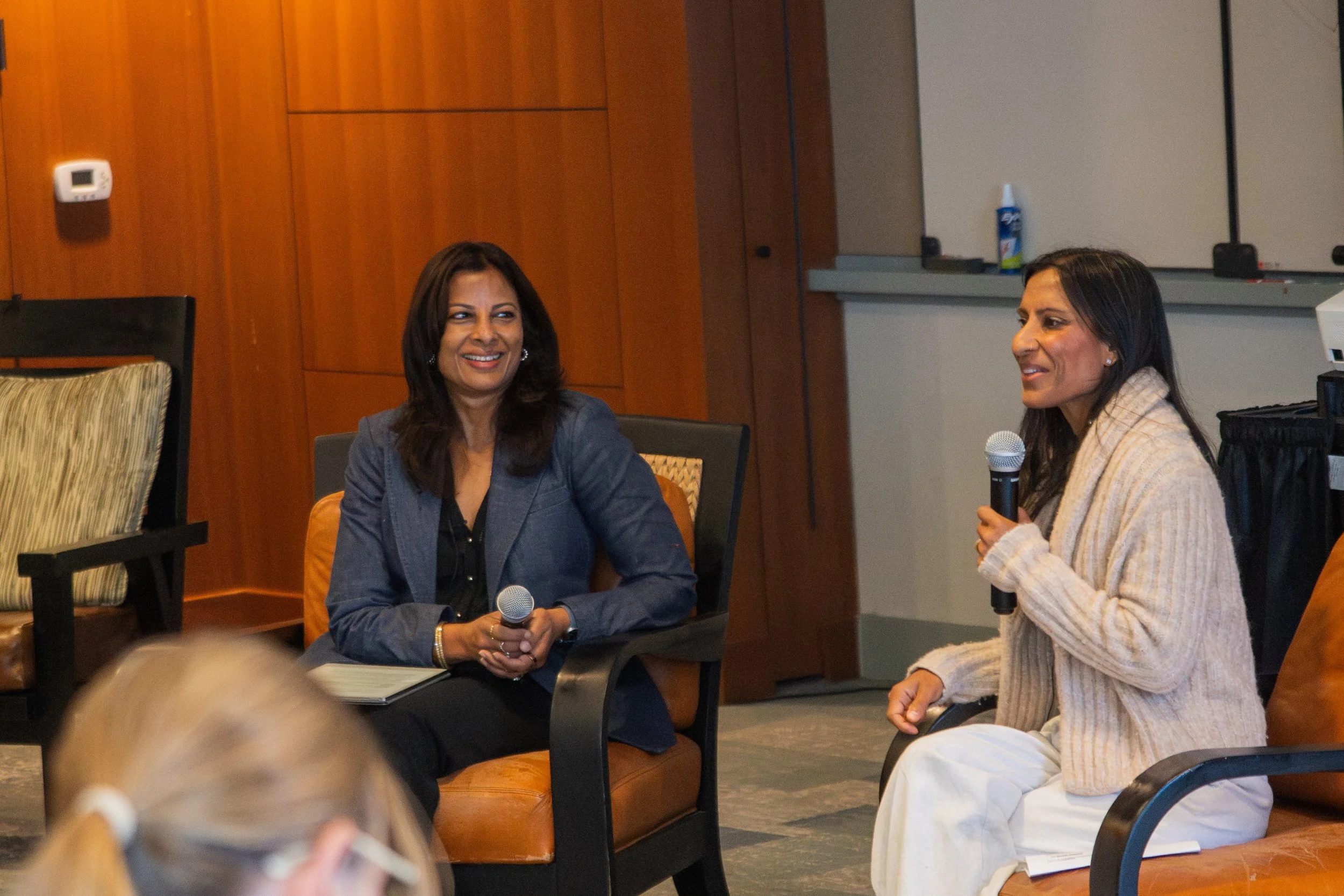
Pooja and Sarita emphasized a lifespan approach to care, illustrating through personal anecdotes and professional projects how the health of individuals is inextricably linked to their families and social environments. A major theme was the transition from fragmented, individualistic care to integrated community models, highlighted by their successful collaboration on a digital hub for community health workers that scales local impact into ecosystem-wide change. They also surfaced one of the summit's most pointed critiques: the field's "pilotitis" problem. Too many promising interventions never escape small-scale demonstration mode. The SCAN Foundation is advocating for a universal long-term services and supports (LTSS) benefit that would provide home care for all, regardless of asset levels—a structural answer to a structural problem. Ultimately, the speakers advocated for shifting the narrative on aging and maternal health, moving away from temporary pilots toward sustainable, policy-driven solutions that provide dignity and equity for vulnerable populations.
California Surgeon General Dr. Diana Ramos
Dr. Diana Ramos, California's Surgeon General, addressed the summit with a focus on proactive maternal health, in conversation with Coyote Venture Partner and Kiara Health co-founder Priyanka Vaidya. Her framing was urgent: 60% of maternal deaths occur between delivery and one year postpartum, and 80% of those are preventable, primarily driven by cardiovascular disease. The postpartum period, she explained, is especially dangerous and requires better integration of care to eliminate existing silos.
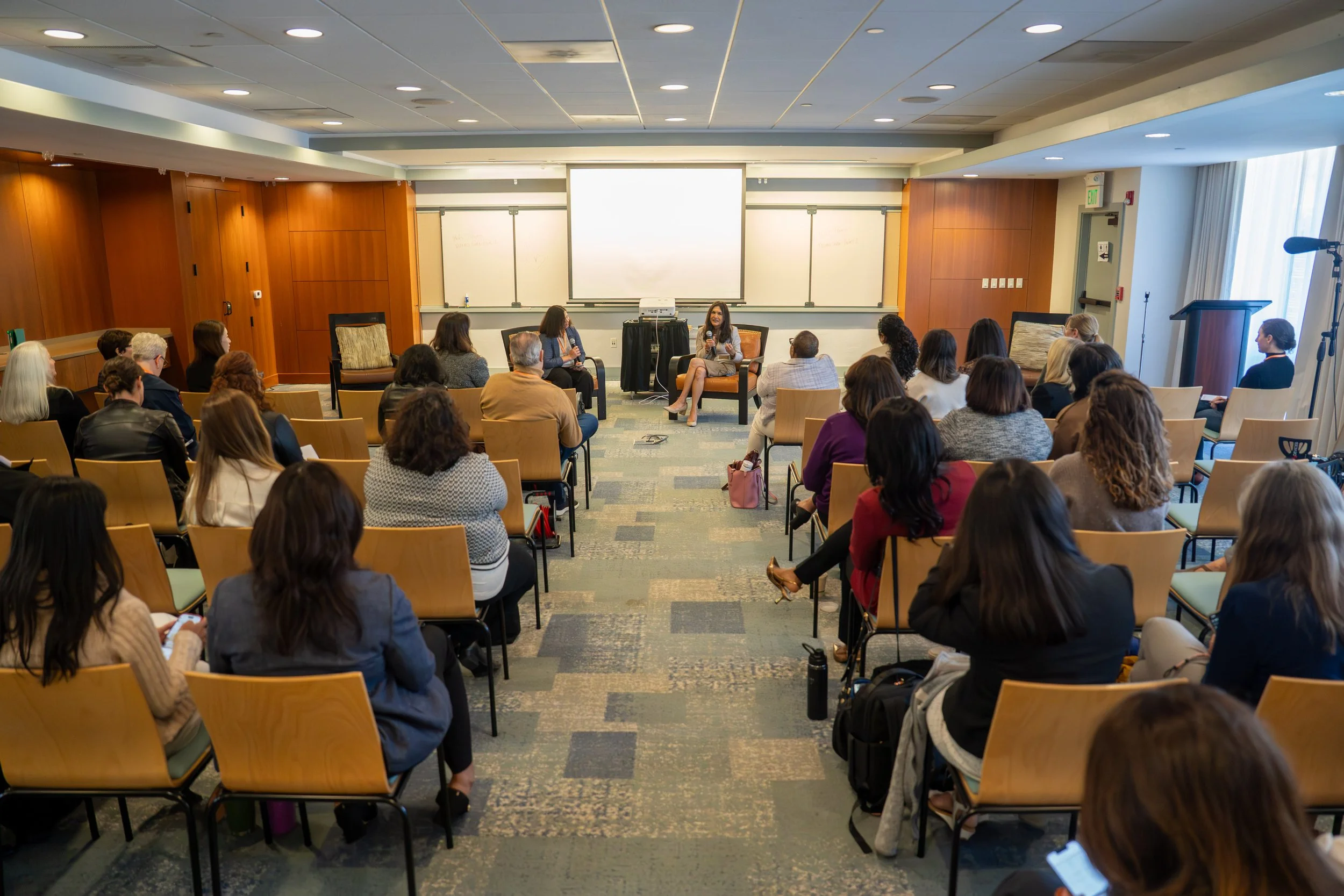
Dr. Ramos spotlighted PreMA, the Preconception Medical Assessment, an eight-question, open-source screening tool designed to identify maternal health risks before pregnancy begins. She also pointed to the "One Small Thing" campaign, which encourages community members to validate the experiences of new mothers and help identify risks like high blood pressure early. She noted that California has led the way in making doula care a covered benefit for both Medicaid and commercial patients, but a workforce gap remains stark: California sees 400,000 births annually but has only 400 licensed doulas.
Her broader message: the future of medicine lies in human-centered design, where data and technology are shaped by the lived experiences of diverse communities to ensure effective outcomes. She encouraged entrepreneurs to prioritize continuity and prevention over isolated digital tools, and issued a call for cross-sector collaboration- urging the tech and investment communities to use California as a testing ground for bold, scalable solutions. With a population equivalent to 21 states, California's policy shifts serve as a national blueprint, and a mandatory data exchange framework launching in 2027 will create new opportunities for innovators ready to build the infrastructure.
San Francisco's Department on the Status of Women
Dr. Diana Aroche, Executive Director of San Francisco's Department on the Status of Women, spoke about the intersection of health, safety, socioeconomics, policy, and gender. DOSW's expanded portfolio now prioritizes improving the whole lives of women through health and safety, economic security, and civic engagement and political empowerment.
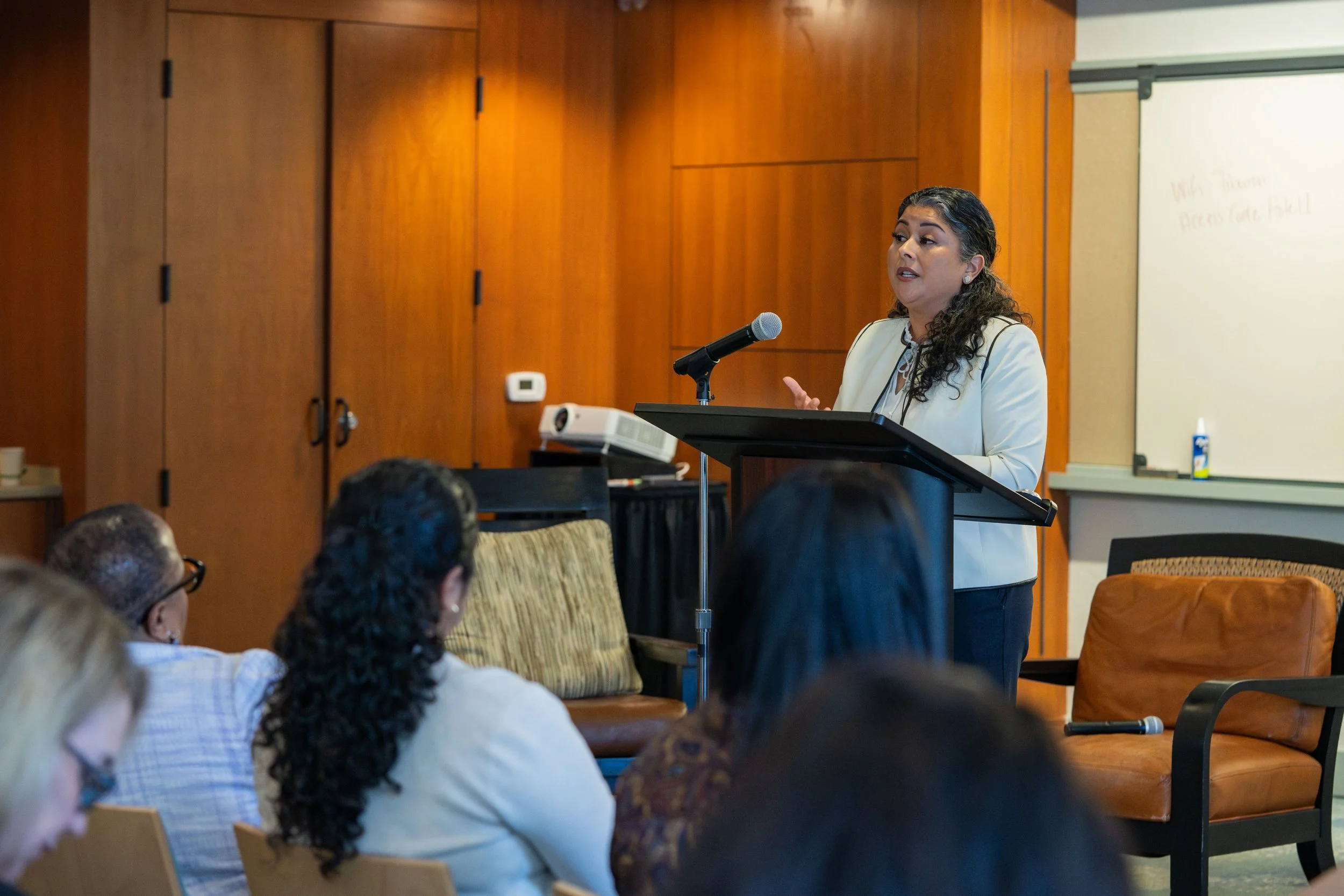
Dr. Aroche detailed a strategic "Women's Agenda" built upon four interconnected pillars: health, safety, economic mobility, and civic leadership- arguing that these issues cannot be addressed in isolation. By emphasizing that health equity is lived daily and influenced by systemic factors like wage gaps and public safety, she advocated for a shift away from "boxed-in" or fragmented policy approaches. Ultimately, she issued a call to action for innovators to move beyond sterile, clinical perspectives and instead design solutions that honor the multifaceted lived experiences and diverse identities of women and girls.
Understanding the Changing Landscape of Healthcare
A panel featuring Alana Troutt (Chief of Staff, San Francisco Health Plan), Taylor Priestley (Director of Health Equity, Covered California), and Dr. Kapil Dhingra (Physician-in-Chief, Kaiser Permanente), and moderated by Shika Pappoe (CEO, Mitokhon) explored how the healthcare landscape is shifting and what it means for innovators working in health equity.
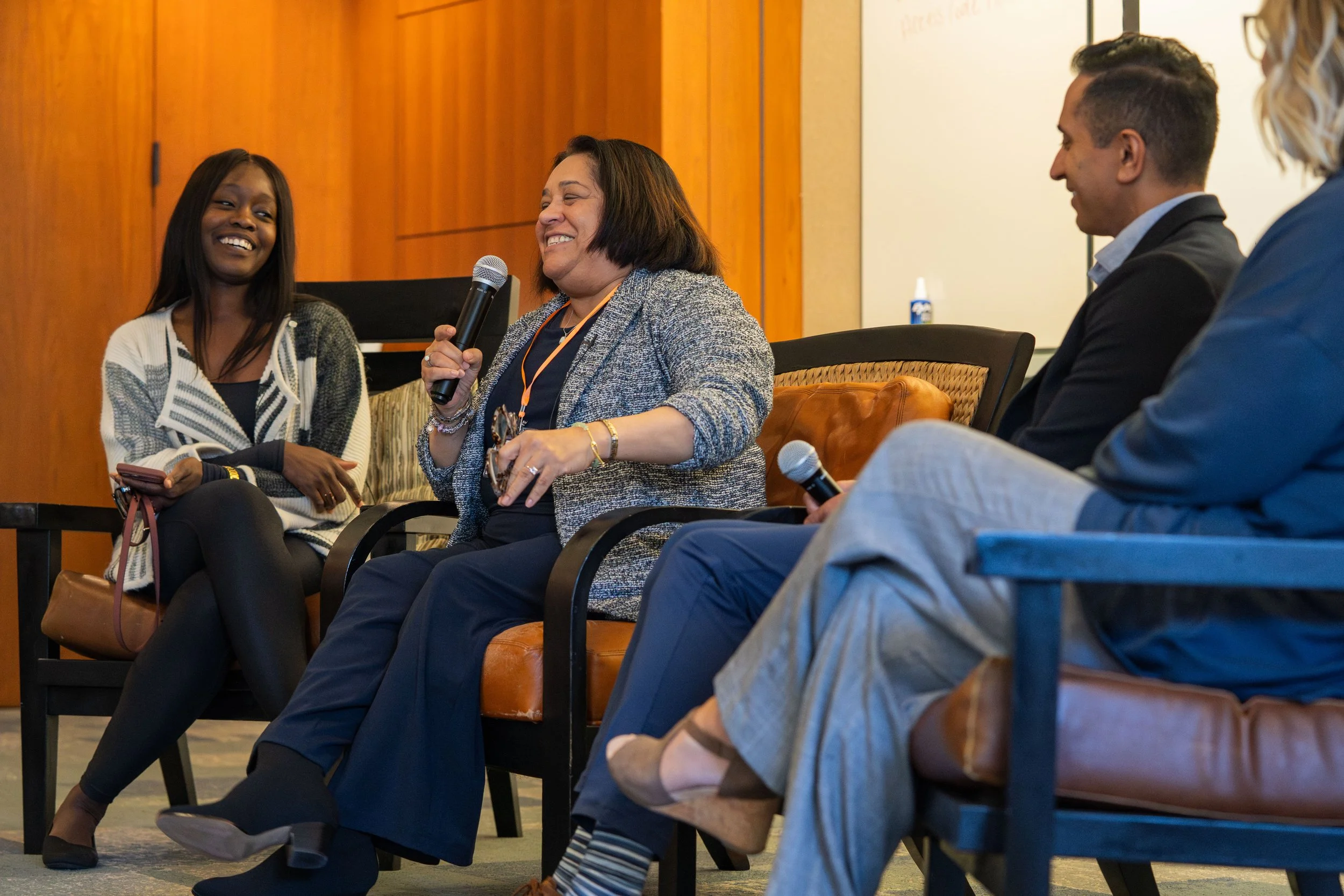
A central reframe ran through the conversation: the move from "medical expense" to "medical investment." Faced with leaner budgets and policy changes including HR1's impacts on Medicaid, health plans are focusing on preventative investments to avoid expensive Emergency Department visits. The panel emphasized that while value-based contracts and downside risk can be difficult for small startups to absorb, the long-term direction is clear: incentives must align around outcomes. Innovators, the panelists agreed, must be crisp about their value proposition and ROI. "The right thing to do" must now also be the financially sustainable thing to do.
The panelists also pointed to concrete equity KPIs already in motion: Kaiser Permanente and Covered California have implemented specific performance indicators focused on Black and Latine populations for conditions like high blood pressure and colorectal cancer screening. Each panelist discussed how they are moving beyond mission statements to implement actionable strategies, including the strategic use of technology and data to close disparity gaps and the necessity of human-centered design in policy and innovation. Ultimately, the panelists issued a collective call to action for cross-industry collaboration, creative storytelling, and sustained community engagement to ensure that healthcare remains a fundamental right rather than a privilege.
Hands on Collaborations: Roundtable Insights
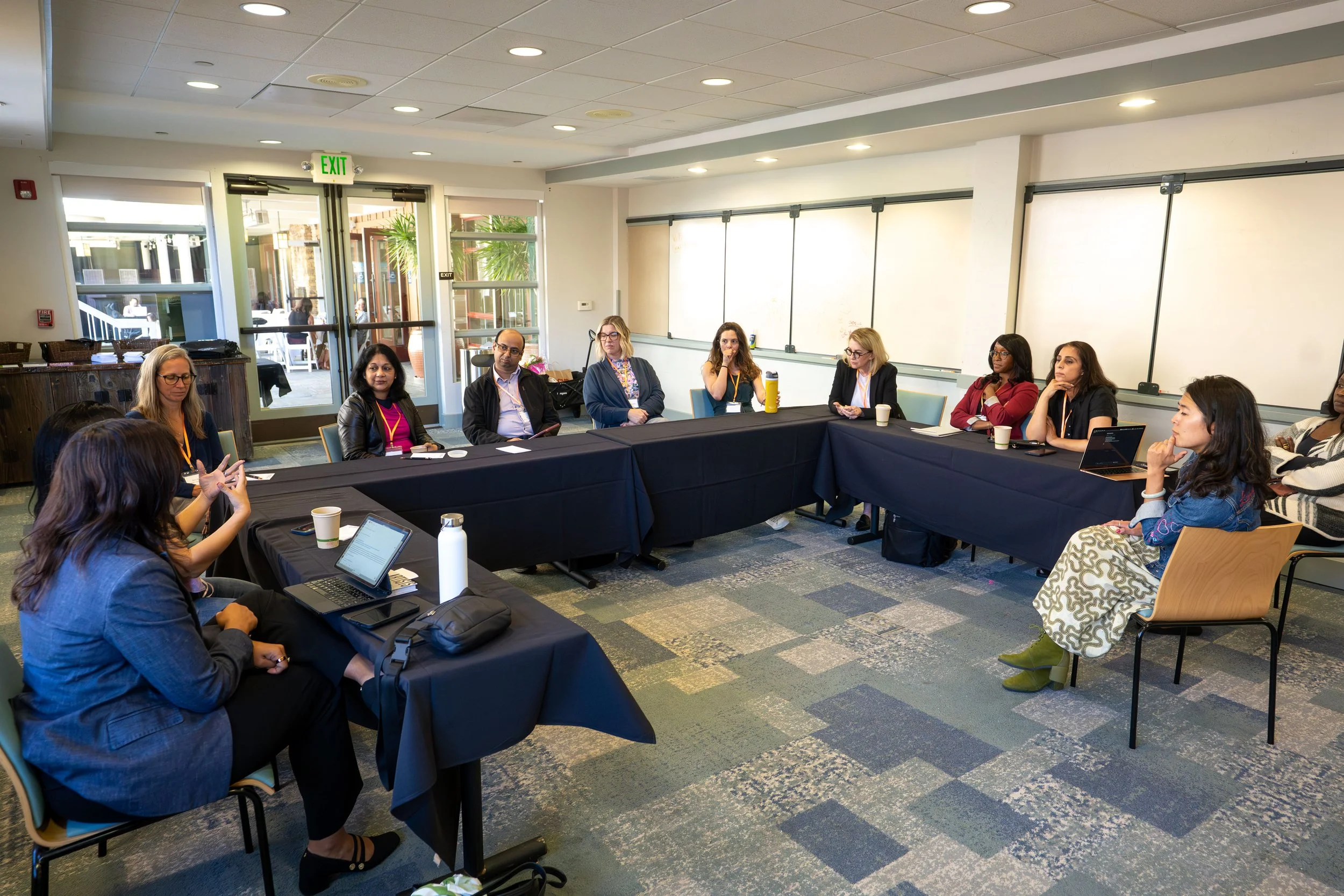
The afternoon featured several simultaneous roundtable conversations, each tackling a critical dimension of the health equity innovation ecosystem.
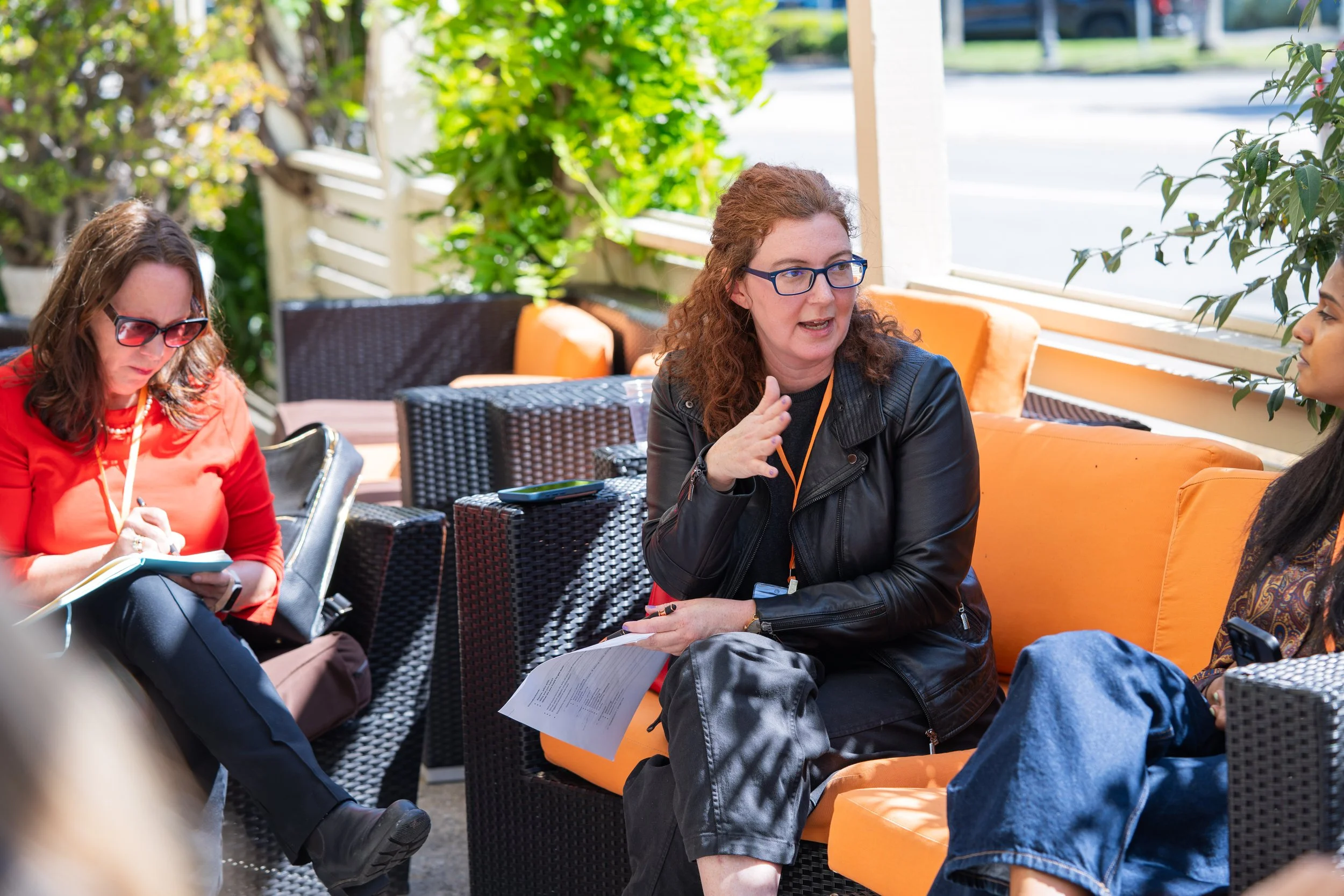
Follow the Policy: Shruti Kothari (Luminarity Solutions) led a sharp, practical session on how health plan and system policy agendas (prior auth reform, interoperability mandates, site-neutral payments, Medicaid financing) aren't just policy debates; they're shaping how and whether digital health solutions scale. Her central provocation: too many founders react to policy instead of using it as a strategic lever for business development and buyer relationships. The session challenged operators and builders to get upstream of the policy cycle and align their GTM strategies with the operational priorities health plans and systems are already advancing.
From Pilot to Partnership: Kathryn Heffernan (UPMC Enterprises) facilitated a candid exchange on what actually works when deploying innovations within health systems: how they evaluate opportunities, the diligence process, and how to align incentives to drive adoption.
Fintech as a Driver of Health Outcomes: Tahira Dosani (Resilience VC) explored how financial products (insurance, payments, credit) can leverage technology, including AI, to drive better healthcare delivery. The session highlighted the correlation between financial resilience and better mental and physical health.
Early-Stage Capital for Medicaid-Focused Digital Health: Yichen Feng (Acumen America / SK2 Fund) dug into the real tensions founders and investors face when building for Medicaid populations: reimbursement uncertainty, proving unit economics with a population that commercial investors undervalue, and finding capital partners who understand that impact and returns aren't mutually exclusive.
Co-Creating the Future of AI Health Tech: Priyanka Vaidya (Kiara Health / Coyote Ventures) led a discussion on the build/buy/partner decision in AI healthtech, exploring how collaboration can accelerate the development of practical, trusted AI solutions, covering clinical adoption, responsible AI design, and workflow integration.
Designing With Community: Mary Katica (IDEO.org) led a conversation on community co-design as a path to health equity, with a powerful framing: health equity isn't just about who has access, it's about who has voice and authorship. The session explored what conditions make co-design possible and how to shift authorship back to communities that have long been left out of the room. Tools like the People Say platform—a searchable database of transcripts and videos from community members—were highlighted as ways to give policymakers direct access to constituent stories rather than relying solely on technocrats.
Raise Your Voice!: Emily Frances Peters (Uncommon Bold) delivered a brand bootcamp for innovators, sharing essentials for building a magnetic brand through design, messaging, PR, and social, including stage-appropriate strategies and crisis communication.
Poetry for Possibility
The day closed not with a panel or a pitch, but with poetry. Amy Smith, whose day job involves driving AI governance strategy at Plaid, led an intimate creative writing workshop that invited attendees to read and reflect on works by Audre Lorde, Joy Harjo, and Sally Wen Mao, and explore how poetry can open new ways of thinking about care, community, resilience, and the futures we hope to build.
It was an unexpected and fitting capstone: a reminder that the imagination required to reimagine health systems is the same imagination that poetry demands. Attendees wrote their own pieces, paused, breathed, and reconnected to the creative impulse that drives this work.
For those who are curious, you can find the poems and prompts for the workshop here: https://amymapsmith.github.io/poetry-for-possibility/

Wellness Day: Leading Well
The summit's final day embodied the ethos of the community: practice what you preach. Attendees began with a morning movement session led by Mariko Albaum, a CrossFit and Pilates coach who blended strength, mobility, and mindful movement on the Tiburon Lodge rooftop terrace.

The day culminated in Allison Tibbs' "Leading Well" Leadership Circle, a session on self-leadership and capacity in high-impact work that hit close to home for an audience of founders, investors, and operators who pour themselves into mission-driven work. Allison's framework challenged participants to assess their capacity across time, energy, and emotional bandwidth, and to redefine success in a way that supports both personal wellbeing and long-term impact. Building on last year's conversation around burnout, boundaries, and micro self-care, this year's session introduced a more integrated approach rooted in self-leadership: how to lead yourself in moments of pressure, make decisions aligned with your true capacity, and stop operating beyond sustainable limits.
The Power of Community
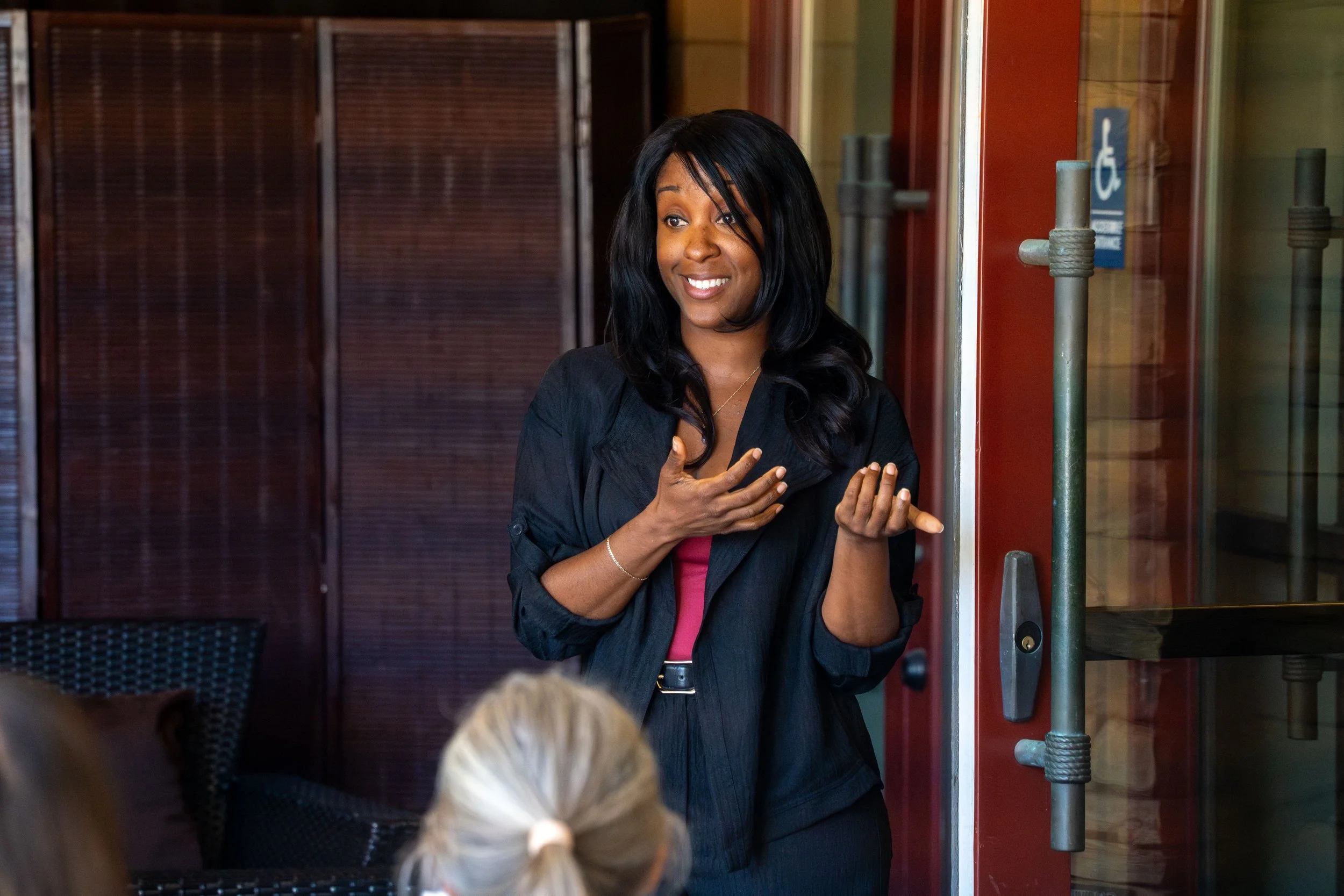
What distinguishes the Health Equity Innovators Summit from a typical conference is what happens between the sessions—the connections formed over the welcome reception, the follow-up conversations sparked by a roundtable provocation, the text threads that start on day one and continue months later.
This year's summit made clear that the community Coyote Ventures is building isn't just a network; it's an ecosystem. Founders, clinicians, health plan leaders, policy experts, investors, and consultants aren't just attending the same event; they're building relationships that translate into partnerships, pilots, and shared advocacy.
As Jessica Karr wrote in her welcome letter: "What began as a simple idea has evolved into something much more meaningful: a community grounded in shared values, action, and a belief that better health outcomes are possible when we build intentionally and inclusively."
In a complex and increasingly challenging healthcare ecosystem, this community demonstrates what is possible when diverse stakeholders unite with clear-eyed compassion, technical rigor, and a shared commitment to building the future of health. Together.

The Health Equity Innovators Summit is hosted by Coyote Ventures, an early-stage venture capital firm investing in health equity and women's health. The 2026 Spring Summit was sponsored by Cooley, Mercury, Health Net, Orrick, and San Francisco Health Plan.